
The earliest bread was made in Egypt around 800BC, though it would have been more of a flat bread. Bread is a baked food made from dough which consists of flour, yeast, salt and water, with the option of adding sugar and fat. All dough fits into one of two categories, either ‘lean’ which is the standard bread we will be covering next, which has little or no fat, or ‘enriched’ which has a high percentage of fat most often using eggs, milk and butter. An example of an enriched bread is brioche, panettone or stollen.
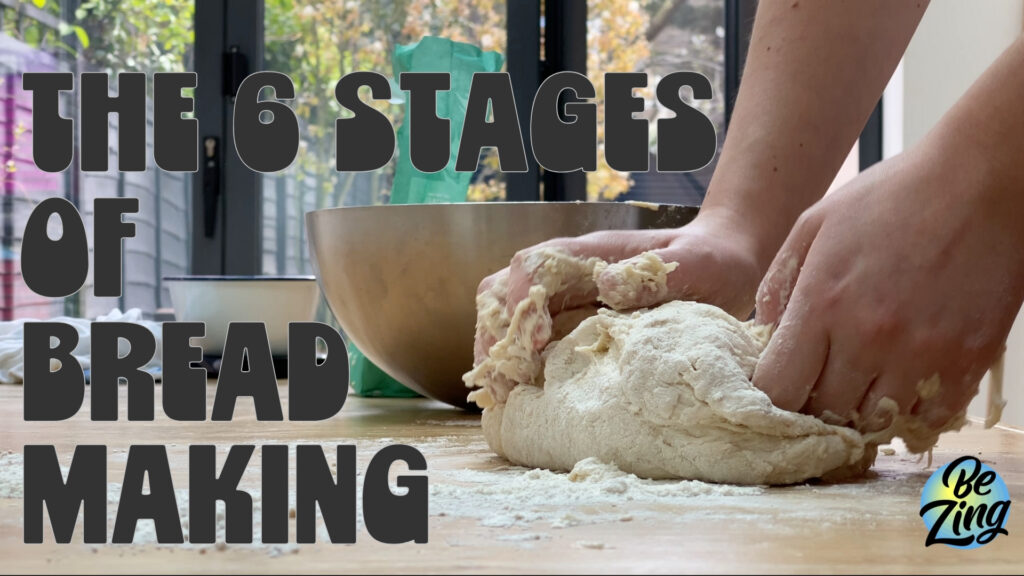
There are six crucial stages of bread making.
Mixing the ingredients together to form a dough
Kneading the dough until it is smooth and has an elastic consistency. Kneading the dough helps develop the gluten and distributes the yeast
Rising the dough for a period of time, usually an hour, until the dough has doubled in size
Knock Back is rekneading the dough to redistribute the yeast and get rid of air pockets. During this stage you can add extra ingredients such as seeds, nuts, dried fruits or olives. After rekneading the dough, you can shape it into a loaf
Proving is leaving the dough to rise again before baking
Baking the dough in a hot oven to kill the yeast and set the dough. Your loaf should be lightly browned with a harder shell, and should make a hollow sound if tapped underneath