
The concept of ‘Mindfulness’ is growing in popularity as it helps create balance in our fast-paced modern lives. ‘Mindfulness’ is beneficial for both our mental and physical health. But what really is ‘Mindfulness’, and how can you embrace it in your daily routines? This post will help you discover exactly that! Mindfulness crucially is one of the key traits on our Wellness Wheel, so we hope you can adopt some Mindful practices into your life!
So, what is it?

Mindful.org describes mindfulness as “the basic human ability to be fully present, aware of where we are and what we’re doing, and not overly reactive or overwhelmed by what’s going on around us.“
Basically, at the speed that life is going, with so many things stimulating your brain whether it’s school, work, mental health, social life, or anything else, it can be easy to forget to slow down and take in your immediate surroundings and look at things from an objective perspective. It’s not something that you have to create yourself; it’s more like an innate ability that everybody has, but of course some people have an easier job tapping into it than others.
Now that we’ve clarified the definition of mindfulness if you weren’t sure, we can move on to some tips to help you seamlessly be mindful in your everyday life.
Think About Your Breathing
Breathing is something we have to do all the time for our entire lives, and yet, how often have you thought about your breathing, or focused on different ways of breathing? Changing/focusing your breathing can help with a variety of different things! Life can be super hectic, and constant distractions/tasks can often cause your breathing to be shallow. By practicing deep, slow breaths, your body receives more oxygen and naturally lowers your stress levels, without even thinking about it! Likewise, focusing on your breathing helps to slow down your mind, and provides an escape from the busyness of life. Practicing your breathing is a task everyone can get involved in, and even just a minute or two per day of deep, slow breathing can help!
Click here for a quick demonstration on how to regulate your breathing!
Take in Your Surroundings
Taking in your surroundings is super important, especially if you’re feeling stressed or you’re facing a sensory overload! It is incredibly difficult to be mindful in situations like these! Although you might feel overwhelmed, often you’re not taking in much of it at all! Next time you’re feeling like this, try to take a couple of minutes to slow life down. It is often helpful to take a bit of sensory inventory – What can you see? What can you hear? By breaking down your surroundings into their individual components, you might find the situation a little more manageable! It could be something as simple as eating your favourite snack – How amazing does it smell? How delicious is it? What is the texture like? Taking a step back from your environment isn’t something most people do enough of, but it can really help to appreciate your surroundings or gain some much needed relaxation!
 Take Some Time Out of Your Day
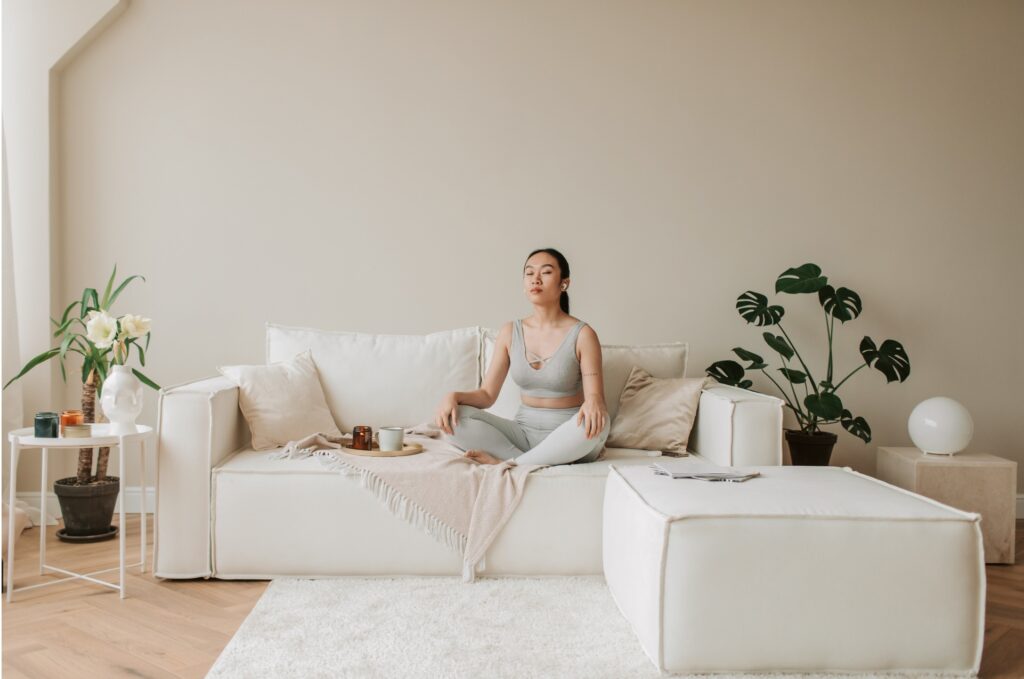
It’s easy to get caught up in your school responsibilities as well as your responsibilities towards your work, friends and family, and sometimes having so much on your plate can be daunting and stressful. To alleviate the stress of everyday life, it helps to give yourself a designated time of day, which could even be as little as 5 minutes, to take a step back from everything that’s on your mind, and simply be present. During this allotted time you don’t even have to be doing anything; simply get into a comfortable, relaxing position and take in your surroundings. Allow your feelings and emotions to float by, and acknowledge how you’re feeling, but don’t dwell on it! The first few times might be a little strange, but once you get into the swing of taking time out to process your feelings and surroundings, you’ll quickly notice how energising it can be to have a period of the day where you feel wholly present.
Keep a Journal

Journalling is another great way of dealing with feelings. Jotting down your plans, worries, random thoughts and problems helps to provide you with a different perspective. It is great to look back through your journals at a later date to track your progress and to be mindful of how far you’ve come, or what still needs work! Likewise, what might seem like a huge problem one day might not be so difficult to overcome when you’re able to compare it to other feats you’ve accomplished! Putting pen to paper also helps to stop negative thoughts from lingering in your mind, and allows you to move on and enjoy the present.
Top Journalling Tips!
- It can be hard to get into the habit of journalling so make sure your time writing is enjoyable! It might help to turn off your phone, make a snack or even light a candle. Make an occasion of it!
- If you’re a visual learner, try and use different colour pens! It might help to colour code your emotions, for example, using blue for things that made you feel sad and pink for things that made you feel happy!
- You can’t make a mistake with your journal! It doesn’t have to be neat and tidy at all!
- A fantastic way of starting and finishing your journalling is noting things you’re grateful for! It could be as simple as a sunny day, nice meal, or even if someone thanked you for doing something. Noting what you’re grateful for helps to recognise what makes you happy, and can be incredibly useful if you’re feeling down, as you’ll have a list of things which cheer you up!
- It can sometimes help to categorise your experiences/emotions! A few popular categories include your personal life, your health and wellness and your work/school life!

Your style is funny and informative, I’ve learnt a lot from it.